Skip to main content
University of California San Francisco
UCSF Health
Search UCSF
About UCSF
Search form
Search...
Our Work
With UCSF Researchers
With Campus Partners
With Affiliates
With Community Partners
With State Partners
With National Partners
With Consortia Partners
Programs
Biospecimen Processing Lab
Clinical Research Services
Clinical Trials Operations
Community Engagement
Consultation Services
IMPACT
Informatics & Research Innovation
Participant Recruitment
Pilot Awards
RAGE
Regulatory Knowledge & Support
Research Infrastructure Network
Research Technology
Team Science
Trial Innovation Network
News & Media
About Us
About Us
Team
CTSI Celebrates
Careers
Letters of Support
NIH Funding Acknowledgment
Contact
You are here
Home
>
News
News
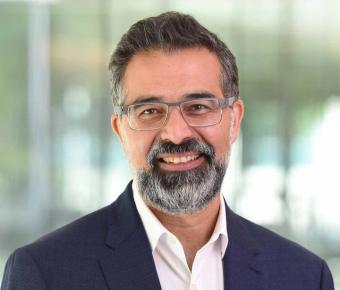
Payam Nahid to Head UCSF’s Institute for Global Health Sciences
March 15, 2024
By Victoria Colliver
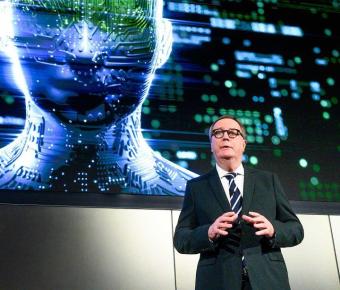
Chancellor Sees UCSF Leading AI’s ‘New Era’ in Annual State of the University Address
December 08, 2023
By Eric Brooks
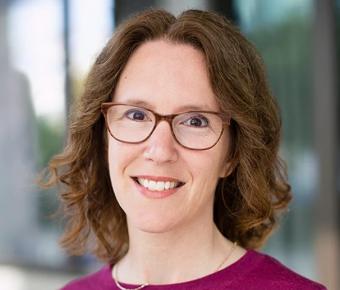
Vanessa Jacoby, MD, MAS Appointed Associate Vice Chancellor for Clinical Research
August 03, 2023
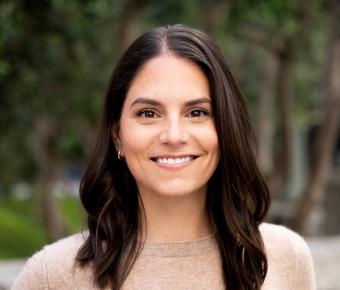
Dominica Randazzo Named CTO Associate Director
July 10, 2023
Announcing the Biospecimen Processing Lab
April 14, 2023
Ida Sim, PhD, MD Appointed Inaugural UCSF Chief Research Informatics Officer (CRIO)
March 06, 2023
Elizabeth Boyd, PhD named Director, UC BRAID
September 19, 2022
Tung T. Nguyen, MD, Named Inaugural Associate Vice Chancellor for Research – Inclusion, Diversity, Equity, and Anti-Racism
September 08, 2022
Sharon Chung, MD, MAS to serve as CTSI Interim Director
August 29, 2022
Harold Collard Chosen as UCSF Vice Chancellor for Research
August 29, 2022
Pages
1
2
3
4
5
6
7
8
9
…
next ›
last »
Browse Topics
Biospecimen
Catalyst
Clinical Research
Clinical Research Services
Clinical Trial
Community Engagement
Comparative Effectiveness Research (CER)
Consultation
Digital Health
Disparities
Diversity
Funding
Health Policy
Healthcare Value
Informatics
K Scholars
LaunchPad
Leadership
Mentoring
NIH
Online Learning
Open Proposals
Partnerships
Pilot Awards
Precision Medicine
Recruitment
Research Networking
Resident Research
Social Media
Spotlight
Staff Events
Training
Translational Research
UC BRAID
UC ReX
UCSF Profiles
Yearlong Inquiry Program
CTSI on Twitter
Tweets by @CTSIatUCSF